Dolphin Repeller or Dolphin Deterrent? Choosing the Right Pinger
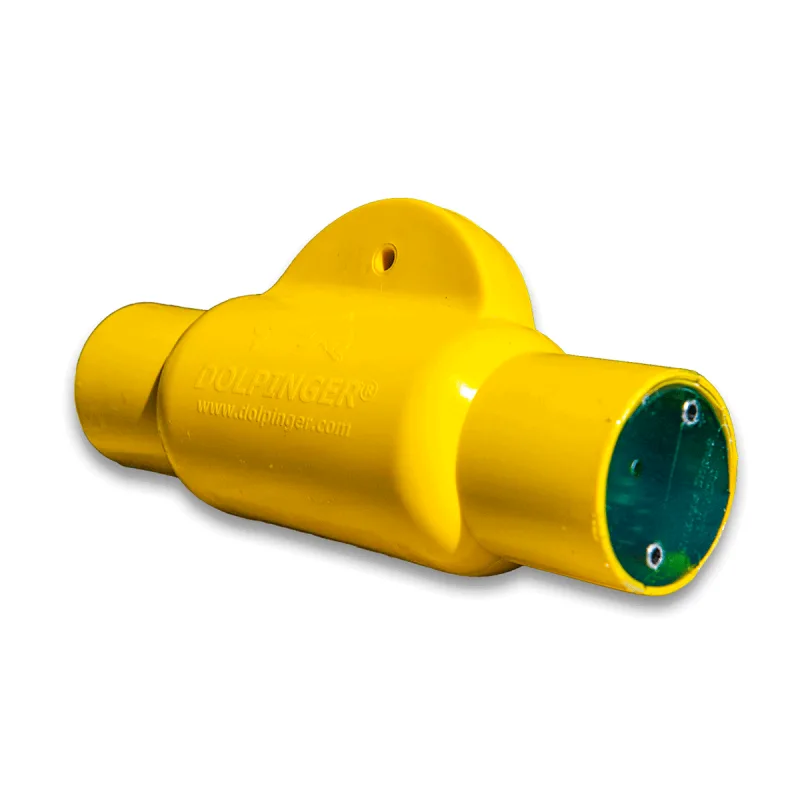
Fishers use two names for the same device: dolphin repeller and dolphin deterrent. Many people search for a "repeller", while manufacturers, researchers and fishing organisations prefer "deterrent" or "dolphin pinger". This article explains why both names exist, what the device actually does and how to choose the right pinger for your nets.
Are a dolphin repeller and a dolphin deterrent the same thing?
Yes. Both names describe a small device attached to a fishing net that emits acoustic signals under water: a pinger. The difference lies not in the device but in what the name emphasises:
- "Repeller" describes the result: the dolphin moves away from the net.
- "Deterrent" / "protector" describes the purpose: protecting the net, the catch and the dolphin together.
Why we call it a protector
A good pinger does not hurt the dolphin, injure it or drive it out of the area. It helps the dolphin notice the net and swim around it instead of approaching it. As a result:
- nets tear less often, cutting repair costs and lost fishing time,
- less catch is taken from the net (depredation), so losses fall,
- the risk of a dolphin becoming entangled is reduced.
In short, the device protects your gear and the marine mammal at the same time. That is why cooperatives, associations and research institutions speak of deterrents rather than repellers.
How does a pinger work?
Once in the water, a pinger emits acoustic signals at intervals. Dolphins perceive their surroundings through sound, so they hear the signal easily and become aware of the net. With devices that always emit the same sound, dolphins may get used to it over time; devices that vary their signal, or that switch on only when needed, tend to give more consistent results in the long run.
How to choose the right pinger
1. Operating time
Match it to how long your nets stay in the water. For short sets 7–10 hours may be enough; for overnight or double-shift sets, 18–24 hour models are a better fit.
2. Rechargeable or battery-powered?
If you can charge on board, rechargeable models are more economical in the long term. For boats without charging, or that stay away from port for long periods, a battery-powered model is a practical choice.
3. Always-on or smart (interactive)?
An always-on pinger signals from the moment it enters the water; it is simple and reliable. A smart (interactive) pinger switches on when it hears a dolphin. It avoids emitting unnecessary sound, the battery lasts longer and the risk of habituation is lower.
4. Net length and number of devices
A single device cannot protect a whole net. How many you need depends on net length and fishing method; pingers should be spaced evenly along the net. See our guide "How Many Pingers Should a Fishing Net Have?" for details.
5. Durability, warranty and service
Salt water, impacts and sunlight are hard on any device. Check the housing seal, the warranty period and whether faulty units are replaced quickly.
Conclusion
Whether you call it a dolphin repeller or a dolphin deterrent, what you need is a pinger that protects your nets and your catch from dolphin damage. Choose the right operating time, power type and operating mode, and you will cut net costs while dolphins stay clear of your gear unharmed. Browse the Dolpinger models to find the right device for your nets.